Get Wall Heating Installation
Wall heating installation services help property owners add efficient, comfortable heating solutions for new constructions, renovations, or upgrades, handled by trusted local contractors.
Wall heating installation can be an effective way to enhance comfort and efficiency within a property. Property owners in the area often explore this option to improve indoor warmth, especially in spaces where traditional heating methods may be less effective or less desirable. Whether planning a new project or upgrading an existing system, understanding the available local options can help ensure the right solution is chosen to meet specific needs.
Finding experienced service providers who specialize in wall heating installation is an important step in the process. Local contractors can assist with planning, assessing space requirements, and comparing different systems to find the most suitable approach. Continuing to explore these options can help property owners make informed decisions and connect with the right professionals for their project.
- Wall Heating Installation - homeowners seeking to add efficient heating to specific rooms or areas in their homes.
- Wall Heating Repair - property owners experiencing uneven heating or system malfunctions that need prompt attention.
- Wall Heating Replacement - those upgrading outdated or inefficient wall heating units to improve comfort and energy use.
- Wall Heating Maintenance - individuals looking to keep their wall heating systems operating smoothly and prevent future issues.
- Wall Heating System Assessment - clients wanting professional evaluation of their existing wall heating setup for performance or upgrade options.
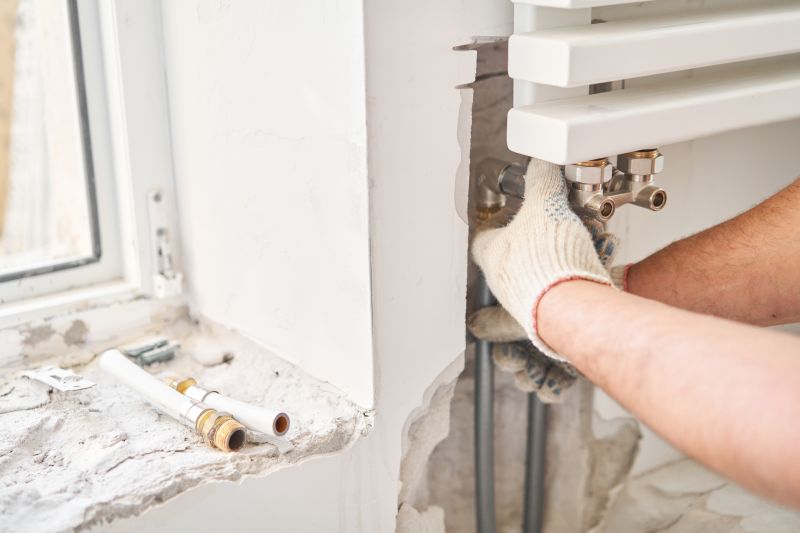
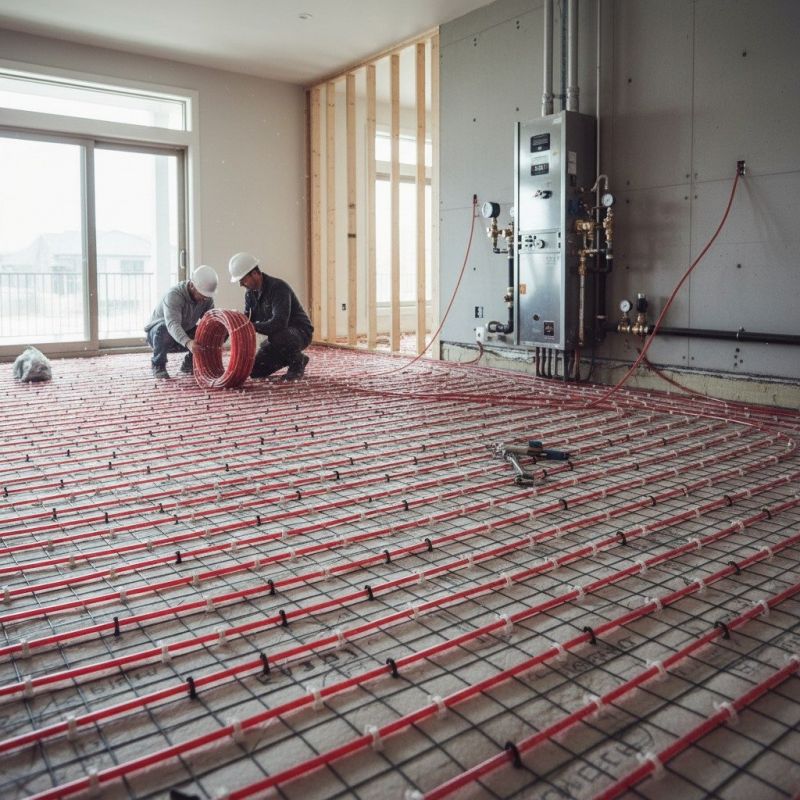
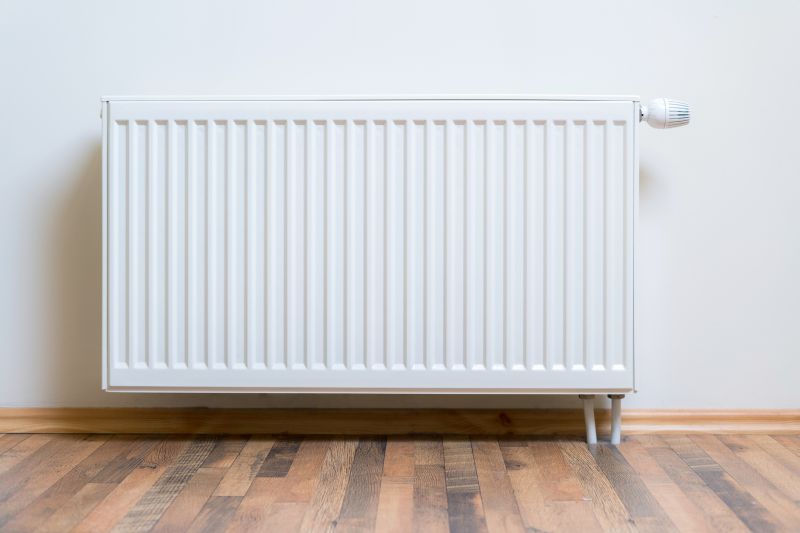
Wall heating installation involves setting up a heating system that warms a space through panels or radiators mounted directly on the walls. This type of heating system typically uses hot water, electric elements, or steam to generate heat, which then radiates into the room. The installation process includes assessing the property’s layout, preparing the wall surfaces, and securely attaching the heating units to ensure efficient operation. Skilled contractors can tailor the setup to match the specific heating needs of a property, providing a comfortable and effective solution for maintaining consistent indoor warmth.
This service helps address common problems such as uneven heating, cold spots, or high energy costs associated with traditional heating methods. Wall heating systems can be particularly beneficial in spaces where floor space is limited or where underfloor heating isn’t feasible. They can also improve indoor air quality by reducing drafts and dust circulation, making them a practical choice for homes with allergy sensitivities. Proper installation ensures the system operates safely and efficiently, helping homeowners enjoy reliable warmth without the inconvenience of inconsistent temperatures or excessive energy bills.
Properties that typically use wall heating installation include older homes, apartments, and buildings with limited space for traditional radiators or ductwork. It’s also suitable for new constructions seeking a sleek, unobtrusive heating option. Commercial spaces, such as offices or retail stores, may opt for wall-mounted systems to maximize usable space while maintaining a comfortable environment. Contractors experienced in wall heating installation can evaluate the specific needs of each property and recommend the best system type and placement to optimize performance and comfort.
Homeowners considering wall heating installation should look for local service providers who can handle the entire process from assessment to setup. These professionals can help determine whether wall heating is the right solution based on the property’s size, layout, and heating requirements. By connecting with experienced contractors, homeowners gain access to expert advice and quality workmanship, ensuring the system is installed correctly and functions effectively. This service can be a practical step toward enhancing indoor comfort and making efficient use of available space.
The overview below groups typical Wall Heating Installation projects into broad ranges so you can see how smaller, mid-sized, and larger jobs often compare in your area.
In many markets, a large share of routine jobs stays in the lower and middle ranges, while only a smaller percentage of projects moves into the highest bands when the work is more complex or site conditions are harder than average.
Smaller Repairs - Most minor wall heating repairs and adjustments typically cost between $250 and $600. Many routine service jobs fall within this range, depending on the specific issue and parts needed.
Partial Installation - Installing new wall heating units or replacing existing panels usually ranges from $1,200 to $3,000 for many local contractors. Larger or more complex setups can push costs higher, but most projects stay within this middle band.
Full System Replacement - Replacing an entire wall heating system can range from $4,000 to $8,000 or more, depending on the size of the space and the type of equipment chosen. Many full replacements fall into this higher tier, especially for larger properties.
Complex or Custom Projects - Custom or extensive wall heating installations, such as in commercial spaces or multi-room systems, can exceed $10,000. These projects are less common and typically involve additional labor and materials.
Actual totals will depend on details like access to the work area, the scope of the project, and the materials selected, so use these as general starting points rather than exact figures.
Underfloor Heating Installation - involves similar planning and skill sets for installing heating systems beneath flooring surfaces, requiring knowledge of heat distribution and proper insulation techniques.
Radiant Floor Heating System Setup - requires expertise in laying out heating elements and ensuring even heat coverage, paralleling wall heating installation processes.
Hydronic Heating System Installation - involves working with piping and water-based heat transfer methods, sharing tools and planning considerations with wall heating projects.
Baseboard Heating System Installation - includes installing and connecting heating units along walls, which involves similar electrical and structural planning skills as wall heating setups.
Ceiling Heating Panel Installation - involves mounting and wiring heating panels on ceilings, requiring similar electrical knowledge and spatial planning as wall-mounted systems.
Indoor Climate Control System Setup - encompasses installing thermostats and control units that regulate heating systems, complementing wall heating installation expertise.
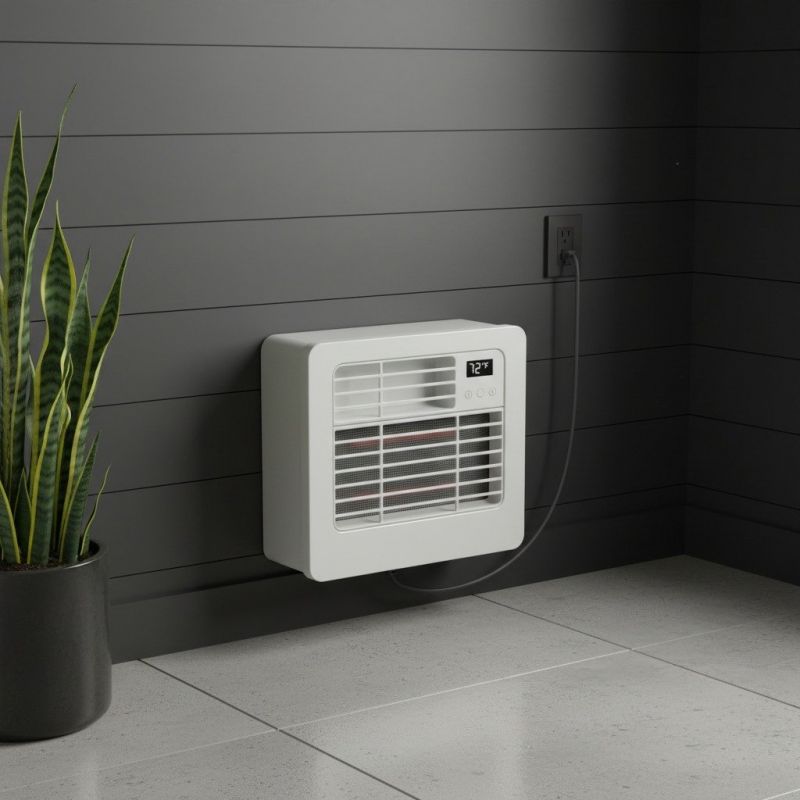
When comparing service providers for wall heating installation, it’s important to consider their experience with similar projects. Homeowners should look for local contractors who have a proven track record of handling wall heating systems in environments comparable to their own. An experienced professional is more likely to understand the nuances of different wall types, heating units, and installation challenges, which can help ensure the job is completed efficiently and effectively. Asking about past projects or seeking references can provide insight into a contractor’s familiarity with wall heating systems and their ability to deliver quality results.
Clear, written expectations are essential when evaluating potential service providers. Homeowners should seek detailed proposals that outline the scope of work, specific tasks to be completed, and any materials or equipment involved. Having these details documented helps prevent misunderstandings and provides a basis for comparing different contractors’ approaches. Reputable local contractors will be transparent about what the project entails, making it easier to assess their professionalism and ensure that all aspects of the installation are addressed to meet the homeowner’s needs.
Effective communication is a key factor in selecting the right service provider for wall heating installation. Homeowners should prioritize local contractors who are responsive, willing to answer questions, and able to explain their process clearly. Good communication fosters trust and ensures that expectations are aligned throughout the project. While the site introduces homeowners to local options, it’s important to remember that the actual work is handled by trusted service providers in the area. Choosing a contractor who maintains open and transparent communication can help ensure the project progresses smoothly and that any concerns are addressed promptly.
Property owners use Wall Heating Installation services for practical projects around their homes and businesses. This guide focuses on everyday jobs and straightforward project options.
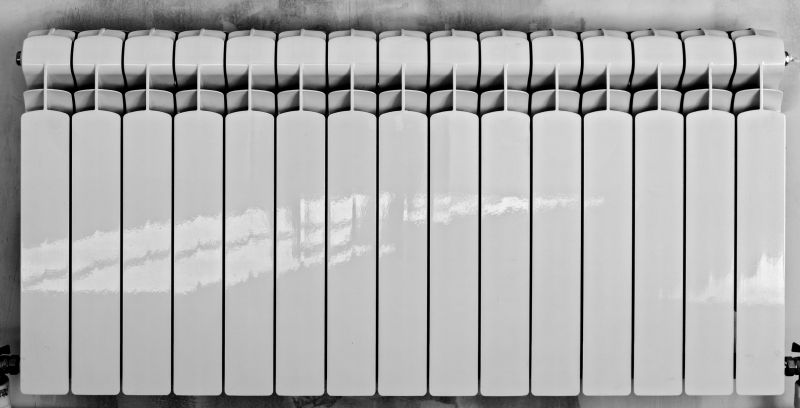
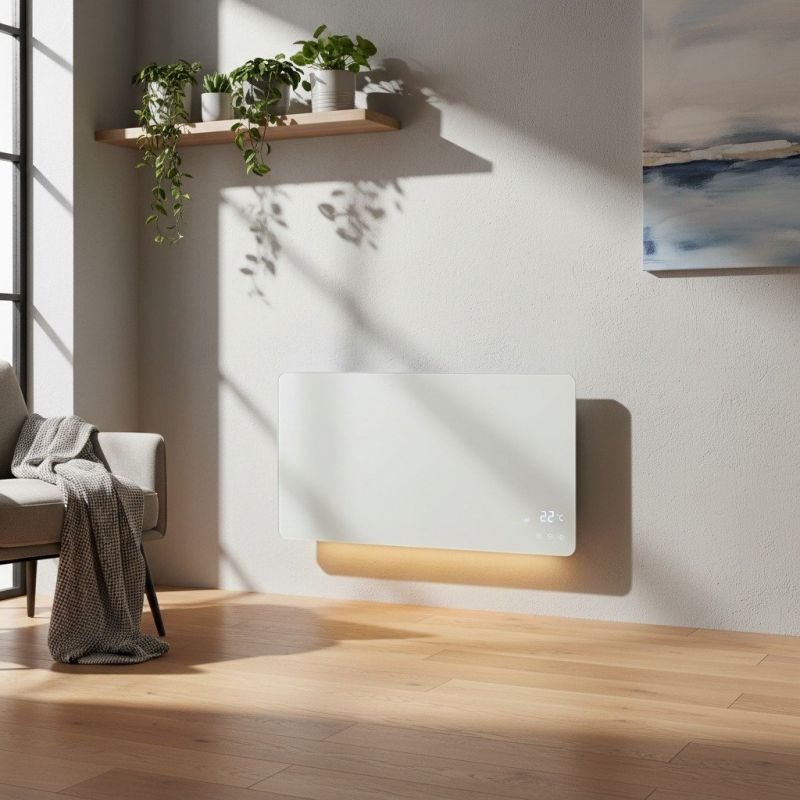
Wall heating installation is a common project for property owners looking to improve indoor comfort, especially during colder months. Homeowners might seek these services when upgrading an existing heating system, replacing outdated units, or installing wall-mounted heaters in new or renovated spaces. Local contractors can assist with various setups, whether it's adding a single unit in a living room or outfitting multiple rooms for more comprehensive warmth.
Property owners often turn to local service providers for wall heating installation to ensure efficient and reliable heating solutions. Situations such as remodeling, expanding living areas, or replacing inefficient heating methods can prompt a search for experienced contractors. These local professionals are equipped to handle different types of wall-mounted heating systems, helping homeowners create a warm, comfortable environment tailored to their needs.
What are the benefits of wall heating systems? Wall heating provides consistent warmth, saves floor space, and can improve indoor comfort levels when properly installed by local contractors.
What types of wall heating installation options are available? There are various options including electric panel heaters, hydronic systems, and embedded wall heating solutions, which local service providers can help assess and install.
How do I know if wall heating is suitable for my home? A consultation with local contractors can determine if wall heating is compatible with your space, existing infrastructure, and heating needs.
What should I consider before installing wall heating? Factors such as wall material, room size, and existing electrical or plumbing systems are important considerations that local pros can evaluate.
Can wall heating be integrated with existing heating systems? Yes, many wall heating systems can be integrated or used in conjunction with other heating solutions, with guidance from local service providers.
Wall Heating Installation for Renovations - Property owners upgrading or remodeling can enhance comfort by adding wall heating systems to modernize living spaces.
Installing Wall Heating in New Constructions - Builders and developers can integrate wall heating during new builds to provide efficient and uniform warmth throughout the property.
Retrofitting Existing Heating Systems - Homeowners may choose to replace or supplement existing heating solutions with wall-mounted options for improved energy efficiency.
Creating Zone-Controlled Heating Areas - Property managers can set up wall heating in specific rooms or zones to optimize comfort and energy use in different areas.
If you are thinking about Wall Heating Installation for a property, this guide is meant to help you understand the work, the typical project types, and how different options might fit your plans.
When you are ready, you can use the quote form on this page to share a few details about your project. From there, local pros can review the basics and respond with options that match what you have in mind.